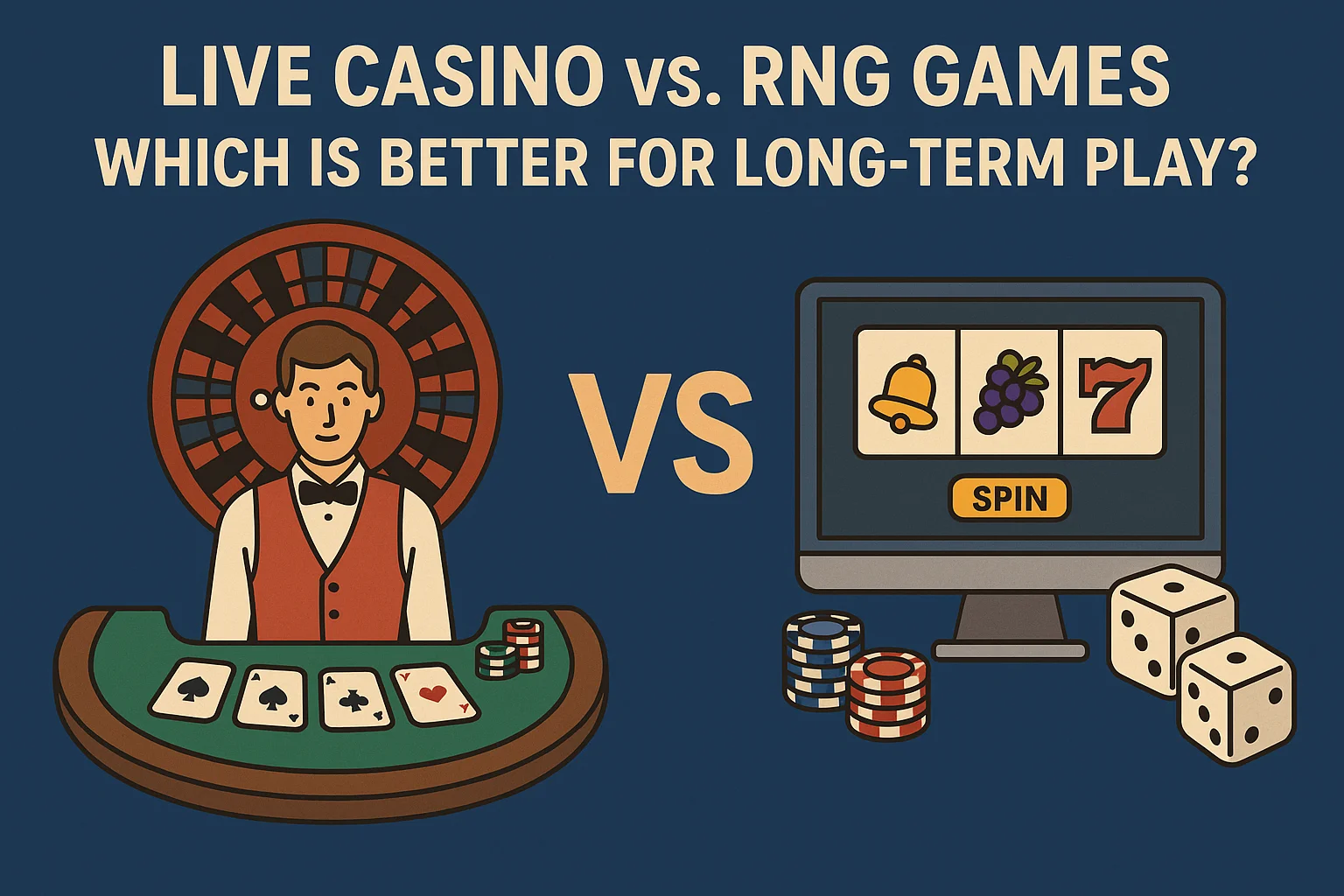
Live Casino vs. RNG Games – Which Is Better for Long-Term Play?
The online gambling world offers two distinct experiences: live casino games, where real dealers host games in real time, and RNG (Random Number Generator) games, where outcomes are determined by computer algorithms. At first glance, both formats promise excitement and the possibility of winning. Yet, beneath the surface, they offer fundamentally different approaches to gameplay, strategy, and long-term expectations.
Understanding these differences is crucial if you want to maximize not only your enjoyment but also the value you get from your bankroll. This article explores the long-term pros and cons of live casino games versus RNG games, analyzing everything from fairness and pace to psychology and profitability.
What Are RNG Games?
RNG games are powered by algorithms designed to produce random results. Slots are the most common example, but RNG also runs virtual versions of blackjack, roulette, baccarat, and dice games. Each spin, card deal, or dice roll is determined by code that simulates randomness.
The advantage of RNG lies in accessibility and variety. Developers can design thousands of slot themes, innovative bonus rounds, or unique twists on classic table games. The pace is fast, uninterrupted by human interaction. You can play ten spins in less than a minute or hundreds of hands of blackjack in an hour.
Yet, because RNG is digital, players rely on trust—trust that the software is fair, properly audited, and not manipulated by the casino. Licensed operators typically use independent testing agencies to verify fairness, but skeptics often prefer the transparency of live dealers.
What Are Live Casino Games?
Live casino games replicate the brick-and-mortar experience. Professional dealers manage tables in studios or real casinos, and every action is streamed via high-definition video to your device. Players place bets digitally, but results come from physical cards, wheels, or dice.
The key appeal of live casino games is authenticity. You see the dealer shuffle, spin, and announce results. Interaction is possible through chat functions, and many players enjoy the social atmosphere. The slower pace also mirrors a real casino: one roulette spin may take a couple of minutes instead of a few seconds.
Live casinos give players confidence that outcomes are based on tangible, physical processes rather than invisible algorithms. But this realism comes with higher operational costs for casinos, which can affect features like bet limits and bonuses.
Long-Term Fairness and RTP
When evaluating long-term play, fairness is non-negotiable. Both formats aim to deliver random, unbiased outcomes, but they achieve this in different ways.
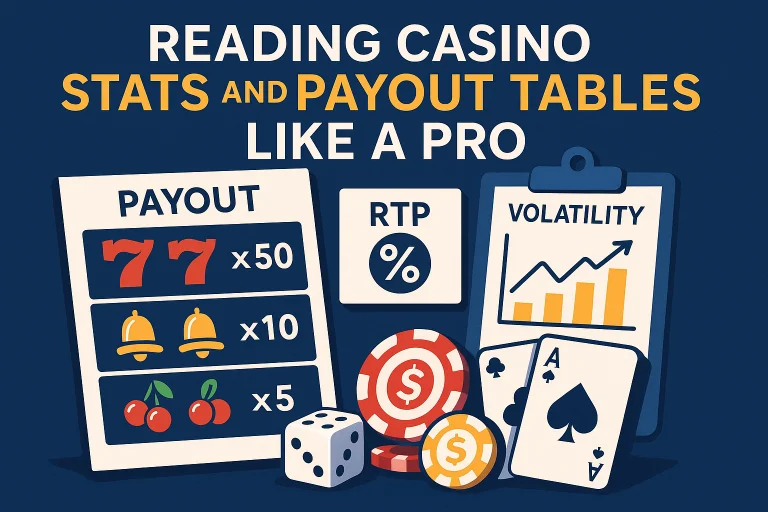
- RNG games: Randomness is achieved through certified software. The RTP (Return to Player) percentage is programmed into the game—often between 92% and 98% for slots and close to 99% for virtual table games. Over thousands of plays, these percentages define what players can expect back.
- Live games: Fairness comes from physical randomness—cards shuffled by hand or machine, roulette wheels spun in real time. RTP is determined by the actual game rules. For example, European roulette with a single zero offers 97.3% RTP whether live or RNG. Blackjack with favorable rules may reach 99.5%.
In practice, both formats are equally fair when offered by licensed casinos. However, RNG games may feel less transparent to players who distrust algorithms, while live games provide visible reassurance.
Pace of Play and Its Impact on Bankroll
One of the biggest differences between RNG and live games is speed.
RNG games are extremely fast. Slots can spin every two or three seconds, while virtual blackjack can deal hundreds of hands per hour. This rapid pace magnifies both wins and losses. A $1-per-spin slot might burn through $100 in minutes if results are unfavorable.
Live games, on the other hand, are slower. Waiting for a dealer to shuffle and interact with other players limits the number of rounds per hour. While this can frustrate action-seekers, it also preserves bankrolls. A slower pace means fewer bets placed in the same amount of time, stretching entertainment value.
In the long run, slower games may be better for casual players aiming to maximize time and enjoyment rather than chasing rapid results.
Strategy Opportunities
Another factor is how much strategy players can apply.
- RNG slots: Strategy has little impact. Outcomes are random, and no system can alter programmed RTP. Enjoyment comes from theme, volatility preference, and bankroll management rather than skill.
- RNG table games: Strategy can apply. For example, perfect blackjack strategy reduces the house edge significantly, even in digital versions. Still, the fast pace can make it harder to consistently apply disciplined strategy without emotional lapses.
- Live table games: Strategy shines brightest here. Games like blackjack, baccarat, and poker encourage player decisions, and the slower pace allows for thoughtful choices. Even roulette players sometimes use structured betting systems (though these don’t overcome the house edge).
Thus, if your goal is to apply skill, live casino games generally provide more meaningful opportunities to do so.
Player Psychology and Immersion
Psychology matters greatly in gambling.
RNG games tend to be solitary and mechanical. They appeal to players who enjoy fast, repetitive play and immersive graphics. However, the absence of human interaction can also make losses feel harsher, and the rapid pace can lead to tilt—emotional decisions after consecutive losses.
Live casino games, meanwhile, tap into the social side of gambling. Seeing a real dealer, interacting with players, and experiencing authentic rituals like card shuffling create immersion. This social factor helps some players remain calmer and more disciplined. On the downside, the slower pace may frustrate players craving instant action.
From a long-term perspective, live games may foster healthier habits because the slower tempo reduces impulsive decision-making.
Bonuses and Promotions
Casinos structure bonuses differently for RNG and live games.
- RNG slots: These often contribute 100% toward wagering requirements, making them the most bonus-friendly. Free spins and slot promotions are common. For players chasing bonus value, RNG slots are often the most lucrative.
- Live games: Many casinos restrict or limit bonus contribution for live games, sometimes counting them as only 10–20% toward wagering. This is because live games often have higher RTPs, making them harder for casinos to balance with bonuses.
For long-term bonus hunters, RNG slots tend to offer more opportunities. But disciplined players who enjoy table games may accept fewer promotions in exchange for strategic gameplay.
Cost and Accessibility
RNG games are cheap for casinos to operate, meaning lower minimum bets and endless availability. You can find penny slots or blackjack tables starting at a few cents per hand.
Live casino games are resource-heavy. Dealers, cameras, and studios require higher operating costs. As a result, minimum bets are usually higher—often $1 or $5 per hand. This can make live games less accessible to ultra-low-budget players.
However, the higher minimums also discourage reckless micro-betting and encourage more deliberate play.
Long-Term Profitability: The Reality Check
Whether live or RNG, the house always wins in the long run. RTP percentages ensure casinos maintain an edge. The real question is not whether one format guarantees profit, but which one offers better sustainability for your style of play.
- If you value bonuses, variety, and fast action, RNG slots and games may deliver better value. But be cautious—fast play also accelerates losses.
- If you value authentic interaction, strategy, and controlled pacing, live casino games often provide more satisfying long-term play.
In either case, the best long-term approach is responsible gambling: setting limits, managing bankrolls, and viewing gambling as entertainment, not income.
Conclusion
The debate between live casino and RNG games isn’t about which is “better” in absolute terms. Instead, it’s about which aligns with your personality, bankroll, and goals. RNG games excel in variety, speed, and bonus opportunities. Live casino games offer authenticity, strategic depth, and social immersion.
For long-term play, many experts recommend a balanced approach: use RNG slots for bonus hunting and entertainment, but spend most of your serious, strategy-focused sessions at live tables where your decisions matter.
Ultimately, both formats can be enjoyable if approached responsibly. The best players are not those who pick one side, but those who understand the strengths and weaknesses of each—and adapt their strategies accordingly.