How to Recognize Tilt in Casino Play (And Stop It Before It Costs You)
Introduction
For many casino players, the thrill of gambling comes not only from winning but also from the emotional rollercoaster of risk and reward. Yet emotions can be dangerous when they begin to cloud judgment. This is where the concept of tilt enters the picture. Tilt, a term borrowed from poker, describes the state in which emotions – whether anger, frustration, or even overconfidence – drive your actions instead of reason. Left unchecked, tilt can quickly transform a controlled gaming session into a costly mistake.
In this article, we will explore what tilt is, how to recognize the early warning signs, and most importantly, how to stop it before it damages both your bankroll and your enjoyment of the game.
What Exactly Is Tilt?
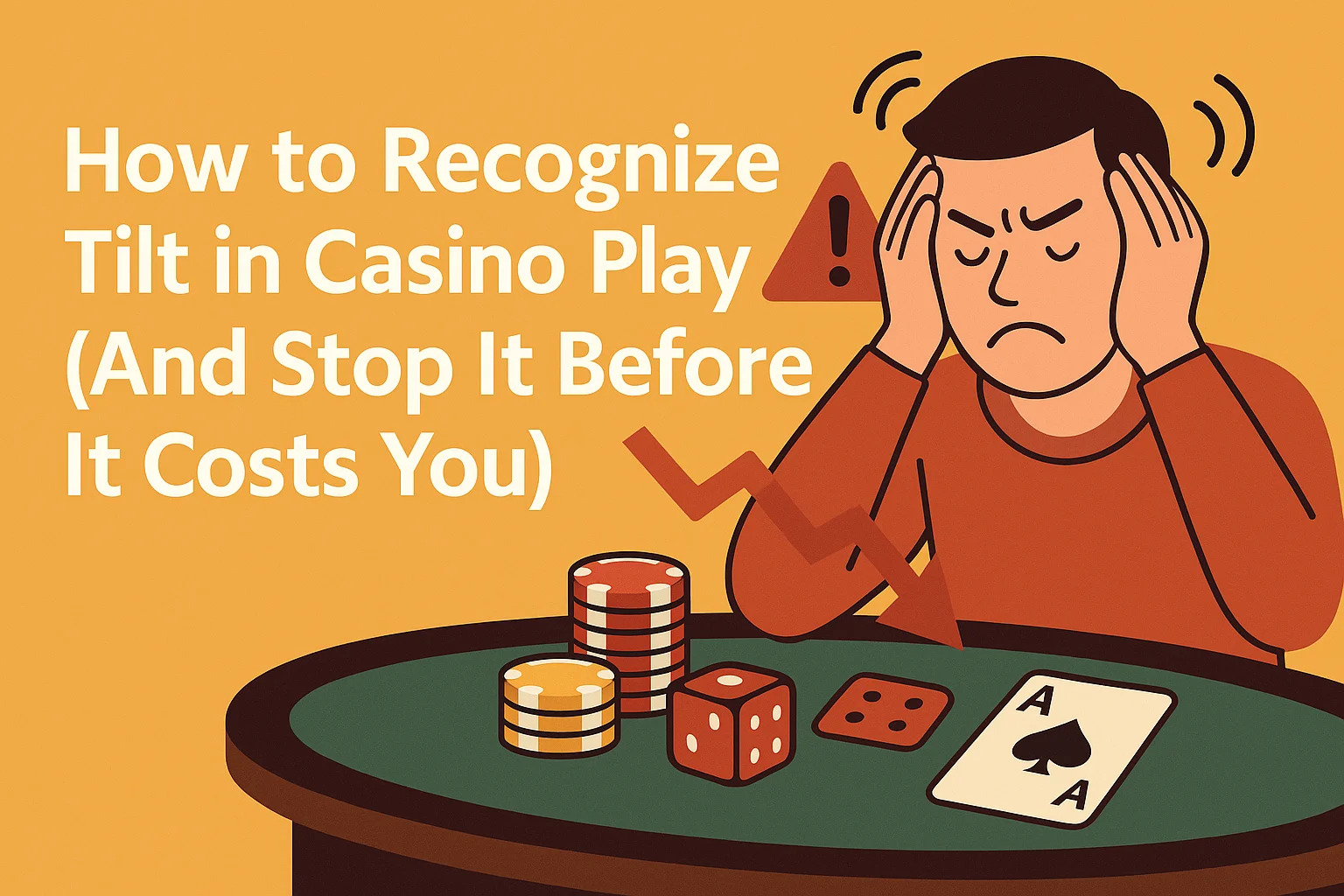
Tilt is more than just being upset about losing. It is a psychological phenomenon where negative emotions take control of your decision-making process. Imagine losing three bets in a row and then suddenly increasing your next wager tenfold because you “must” win back the lost money. That is tilt in action.
The problem with tilt is that it leads to irrational behavior: ignoring strategies, taking risks you normally wouldn’t, or playing games you don’t fully understand. While it often begins with frustration after losses, tilt can also be triggered by winning streaks, when overconfidence makes you feel invincible. In both cases, the outcome is the same – poor decisions and unnecessary losses.
Why Tilt Happens in Casino Play
Several psychological factors contribute to tilt:
- Loss Aversion – Humans naturally hate losing more than they enjoy winning. After a loss, players feel a strong urge to recover quickly, which drives risky bets.
- Illusion of Control – Casino games often create the impression that skill or persistence can beat chance, when in reality luck dominates.
- Near Misses – Slot machines and crash games are designed with “almost wins” that trick the brain into thinking success is close, fueling frustration.
- Ego and Pride – No one likes to admit defeat. Many players tilt because they feel they must prove they can win back what was lost.
Recognizing these triggers is key to protecting yourself.
The Warning Signs of Tilt
Tilt rarely comes out of nowhere. It builds up gradually, and spotting it early can save you money. Some of the most common signs include:
- Aggressive Betting: You suddenly increase your stakes far beyond your normal comfort zone.
- Chasing Losses: Instead of sticking to your session limits, you try to win back everything in a single round.
- Emotional Outbursts: Anger, irritation, or even shouting at the screen are clear red flags.
- Impatience: Clicking through spins quickly or skipping rounds without thinking.
- Overconfidence: Believing that your “luck is due” or that the next hand must be a win.
If you notice two or more of these behaviors during your play, it’s time to step back.
Real Examples of Tilt Situations
Let’s illustrate tilt with two common scenarios:
- Crash Game Tilt: A player cashes out too early several times and watches the multiplier skyrocket. Frustrated, they decide to stay in longer on the next round, only for the game to crash instantly. Instead of stopping, they keep playing recklessly, convinced they will “time it right” next time.
- Slot Tilt: After spinning for half an hour without a big win, a player doubles their bet size repeatedly, telling themselves the machine “owes” them a payout. Instead of leaving, they burn through their bankroll in minutes.
Both examples show how tilt pushes players to abandon rational strategies.
How to Stop Tilt Before It Costs You
1. Take Regular Breaks
Step away from the screen. A 10–15 minute break can clear your mind and help reset your emotions. Even short pauses reduce the risk of making reckless decisions.
2. Set Strict Bankroll Limits
Before starting a session, decide how much money you are willing to lose and stick to it. Once that limit is reached, stop playing – no exceptions.
3. Use Time Limits
Don’t let gambling stretch endlessly. Set alarms or use casino tools to limit your playing time. Fatigue and frustration go hand in hand.
4. Practice Mindfulness
Learn to check in with yourself during play. Ask: “Am I making logical decisions, or am I acting on emotion?” This self-awareness is often enough to prevent tilt from taking over.
5. Play in Demo Mode First
Testing games in demo mode allows you to release tension without risking real money. This is particularly useful when you feel emotions running high.
6. Walk Away After Wins
Tilt doesn’t only happen after losses. Many players lose control after big wins, believing luck is infinite. Setting a win limit helps you cash out before greed takes over.
Long-Term Strategies to Reduce Tilt
Beyond immediate actions, long-term habits also help minimize tilt:
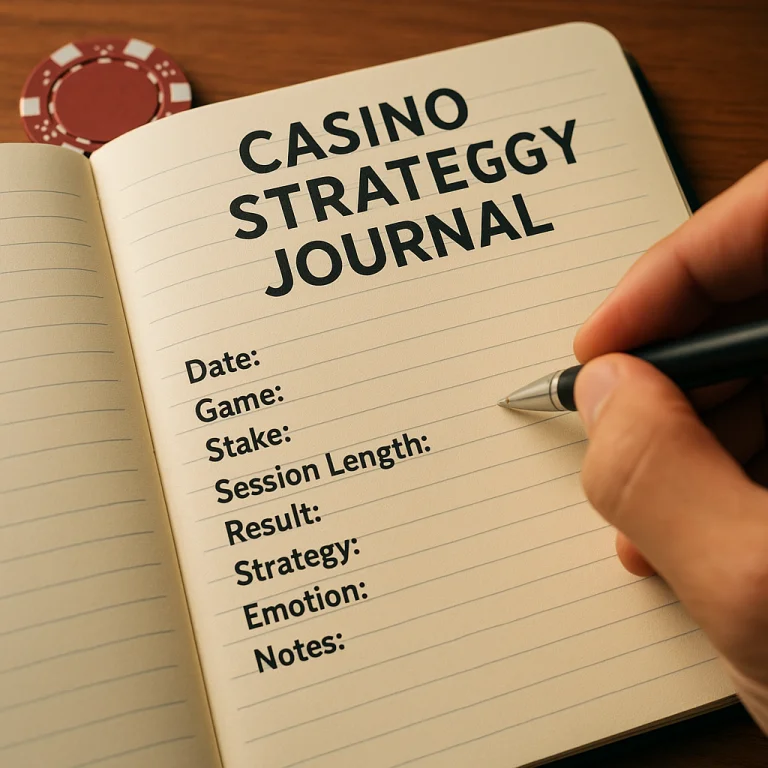
- Keep a Gambling Journal: Record wins, losses, and emotions after sessions. Over time, patterns will become clear, and you’ll learn your personal triggers.
- Practice Healthy Lifestyle Choices: Good sleep, regular exercise, and balanced nutrition improve emotional stability, reducing vulnerability to tilt.
- Avoid Gambling When Stressed: Entering a session in a bad mood makes tilt more likely. Treat gambling as entertainment, not a stress relief method.
- Seek Support if Needed: If tilt constantly ruins your play, consider responsible gambling resources or professional guidance.
Responsible Gambling and Tilt
Tilt is one of the clearest examples of why responsible gambling matters. No matter how skilled or experienced you are, emotions can get the best of you. Responsible play means:
- Setting realistic expectations – the casino always has the edge.
- Playing for fun, not as a way to make money.
- Knowing when to stop – whether on a winning or losing streak.
Remember: recognizing tilt is not a sign of weakness but of strength. It means you are in control of your gambling, not the other way around.
Conclusion
Tilt is every casino player’s invisible enemy. It sneaks in when emotions run high and clouds rational judgment. By understanding what tilt is, learning to spot the early warning signs, and adopting clear strategies to counter it, you can protect both your bankroll and your enjoyment of the game.
The next time you feel frustration building or find yourself chasing losses, stop and take a breath. Walk away if needed. In the end, the best gamblers are not those who always win, but those who know when to quit.